CPT 92083 · 20–40 min
Glaucoma & Eye Disease
Glaucoma damages the optic nerve slowly and without pain. By the time most people notice vision loss, the damage is permanent. Early detection is the only reliable protection.
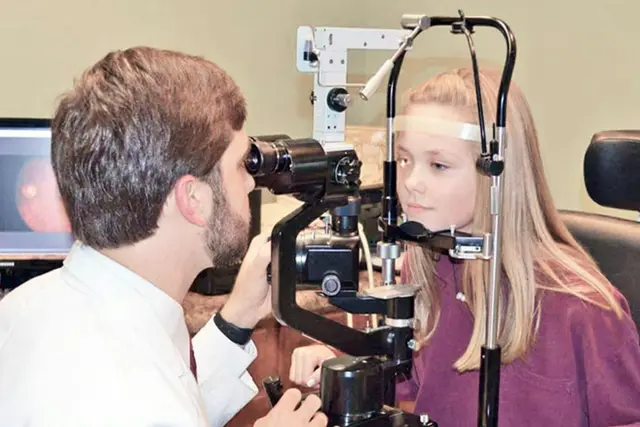
Dr. Webb manages glaucoma, diabetic retinopathy, and macular degeneration in-office using visual field testing, OCT nerve fiber analysis, and retinal photography, and coordinates with ophthalmologists when surgery is needed.
What to expect
Pressure & corneal thickness
Tonometry and pachymetry measure eye pressure and adjust for corneal thickness.
Visual field testing
An automated test maps your peripheral vision to find early blind spots.
OCT imaging
A non-contact scan measures the optic nerve and retinal layers to the micron.
Ongoing monitoring
We compare results over time and adjust treatment to keep your vision stable.
Who it's for
- Adults over 40, especially with a family history of glaucoma
- Patients with diabetes (annual dilated exam recommended)
- Anyone told they have high eye pressure
- Patients taking long-term steroid medications