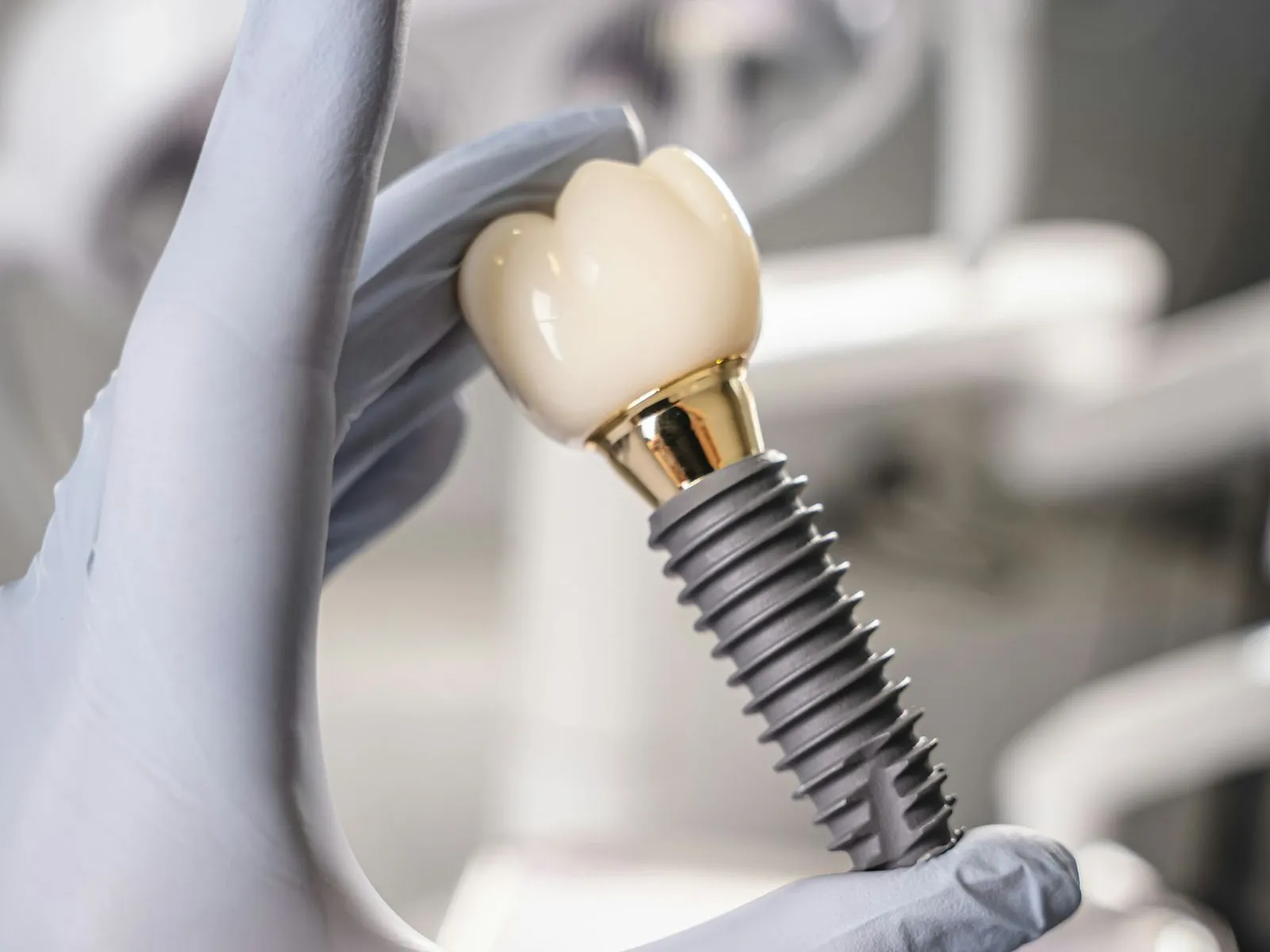
Dental Implants
A missing tooth affects how you chew, lets the neighboring teeth drift, and causes the jawbone to shrink over time. An implant replaces the root as well as the tooth, which is why it holds up better than a bridge or denture.
What to expect
3D imaging and planning
A cone-beam CT scan lets us map bone, nerves, and sinuses in three dimensions, so we place each implant with millimeter precision.
Implant placement
A small titanium post is placed in the jaw under local anesthetic. Most patients are surprised by how routine it feels. Sedation is available if you would prefer it.
Healing and integration
Over a few months the implant fuses with your bone (osseointegration), creating a foundation as stable as a natural root. You will wear a temporary in the meantime.
Final crown
We attach a custom crown color-matched to your other teeth. It matches your other teeth, and you brush and floss it the same way.
Who this is for
- Anyone missing one or more teeth
- Denture wearers who want a stable, permanent option
- Patients told they have lost bone and need a long-term fix
- People who want to chew and speak without thinking about it
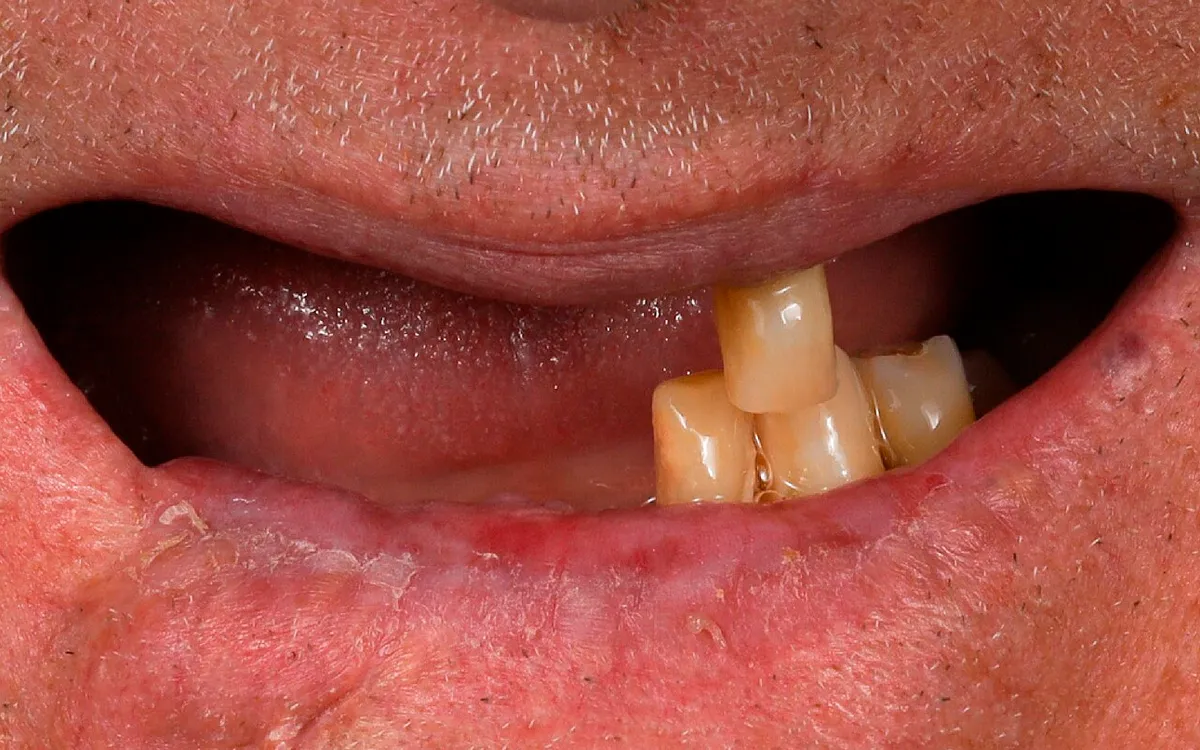
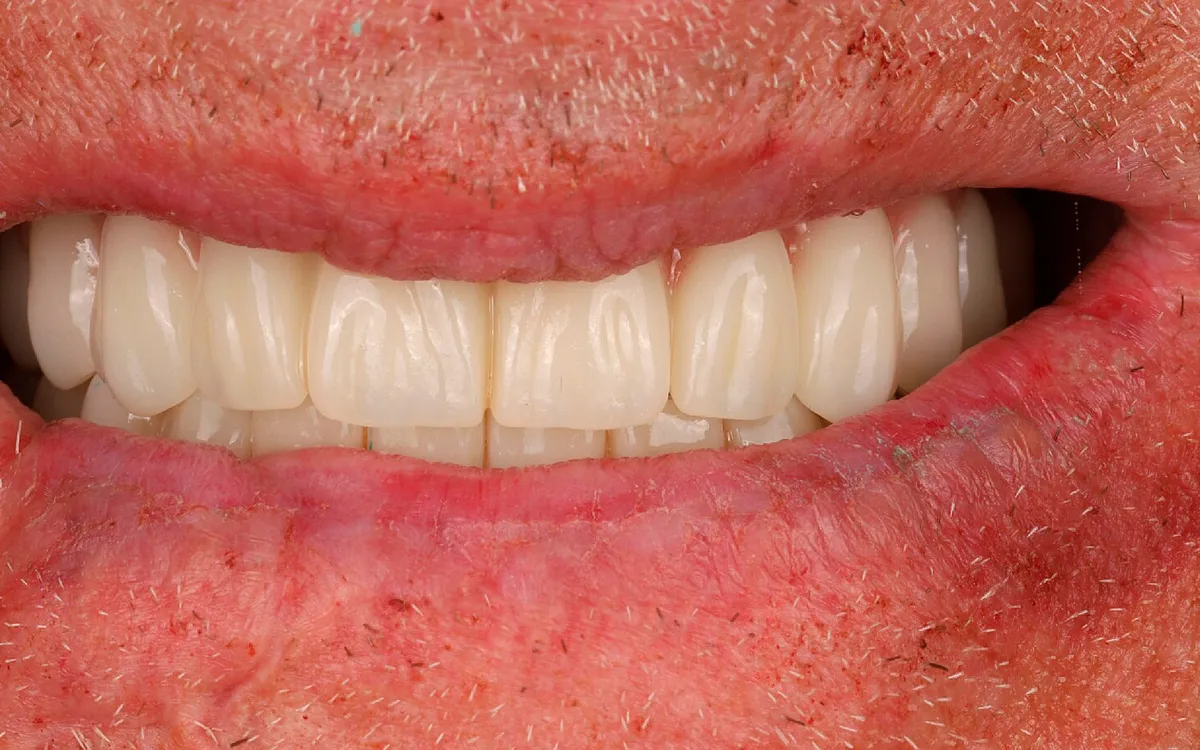
Before & after
Drag the handle to compare. These are representative results, and your own plan will depend on your teeth.
Frequently asked questions
With good home care and regular checkups, the implant post can last a lifetime. The crown on top typically lasts 15 or more years before it may need replacement, much like any other restoration.
Ready to get started?
Book your dental implants appointment today. Same-week openings are usually available.